
Our awareness of resource care has grown. We try not to waste, to avoid disposables, to buy fewer clothes and choose sustainable products instead. Our habits have shifted too — we lean toward healthier lifestyles in line with this trend. It feels good to know that the spaces we inhabit are recovered spaces that keep their essence and blend in with — and revitalize — a city's contemporary dynamic.
Out of this comes recycling architecture: it takes advantage of the physical structure of existing, abandoned buildings and adapts them, giving them a new use and a positive impact on their surroundings. Reusing buildings is positioned as a key piece of a new urban or architectural ecology: “in some cases architectural recycling is more convenient and less harmful to the environment than demolishing and building anew, and it revives the urban and social fabric” (Cárdenas, 2008).
Recycling architecture has come to the fore through interventions by exceptional architects who have transformed cities' historic heritage. Faced with numerous historic, cultural, or high-quality buildings that have fallen into disuse, and with the lack of buildable land in cities, architectural recycling becomes essential.
Restoring, rehabilitating, and recycling are actions that protect heritage and adapt spaces to society's new demands.
All of these actions help citizens take ownership of these buildings, allowing them to persist in collective memory. We also gain buildings that become tools for cross-cultural learning, where essence is preserved and merged with functionality.
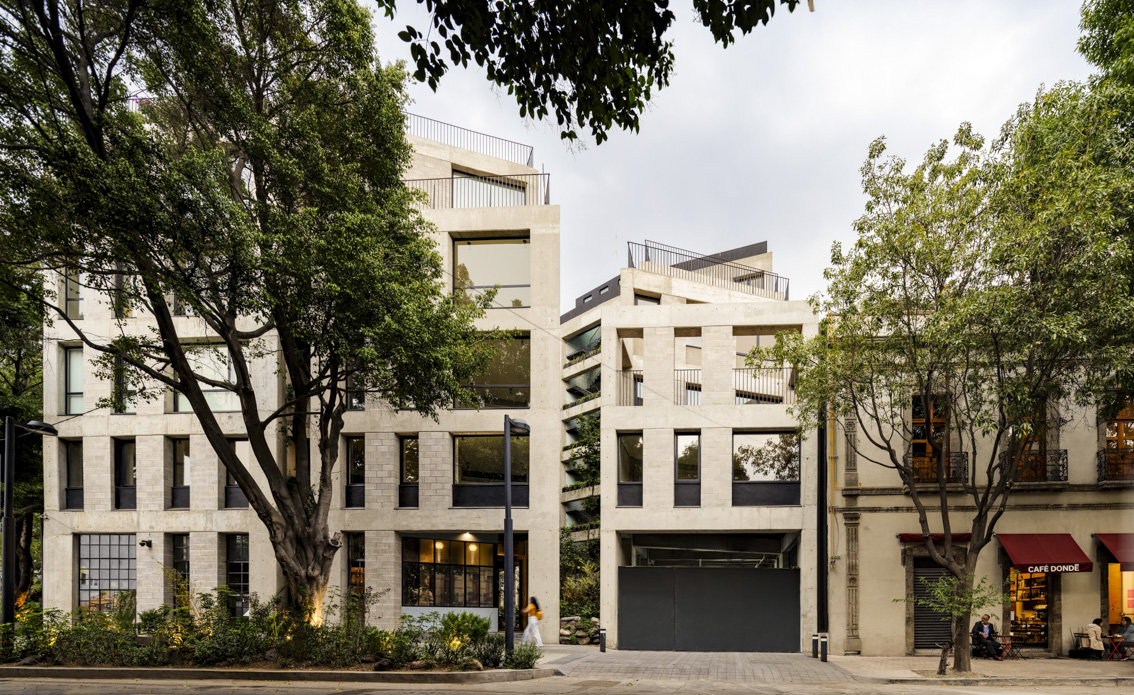
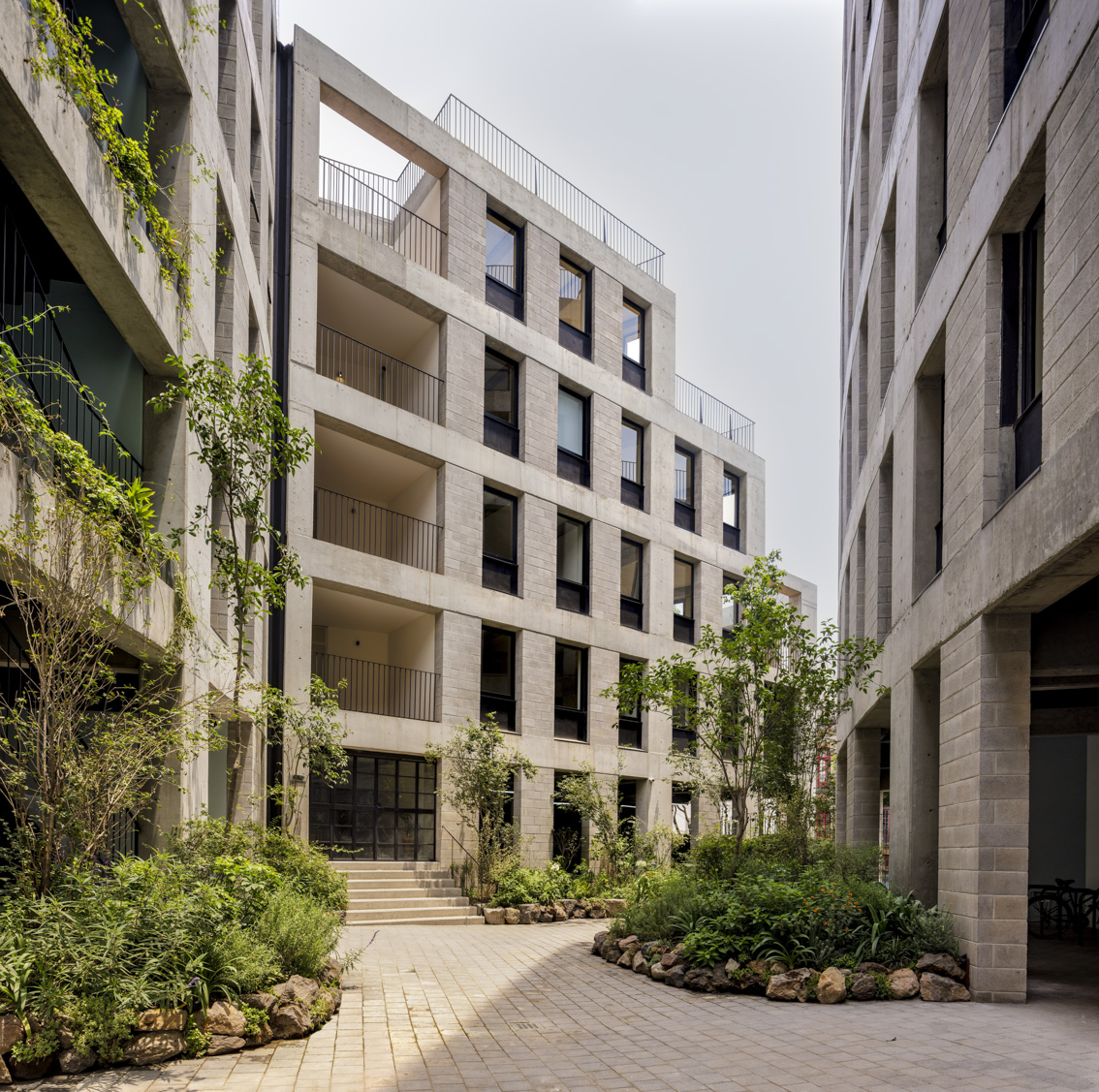
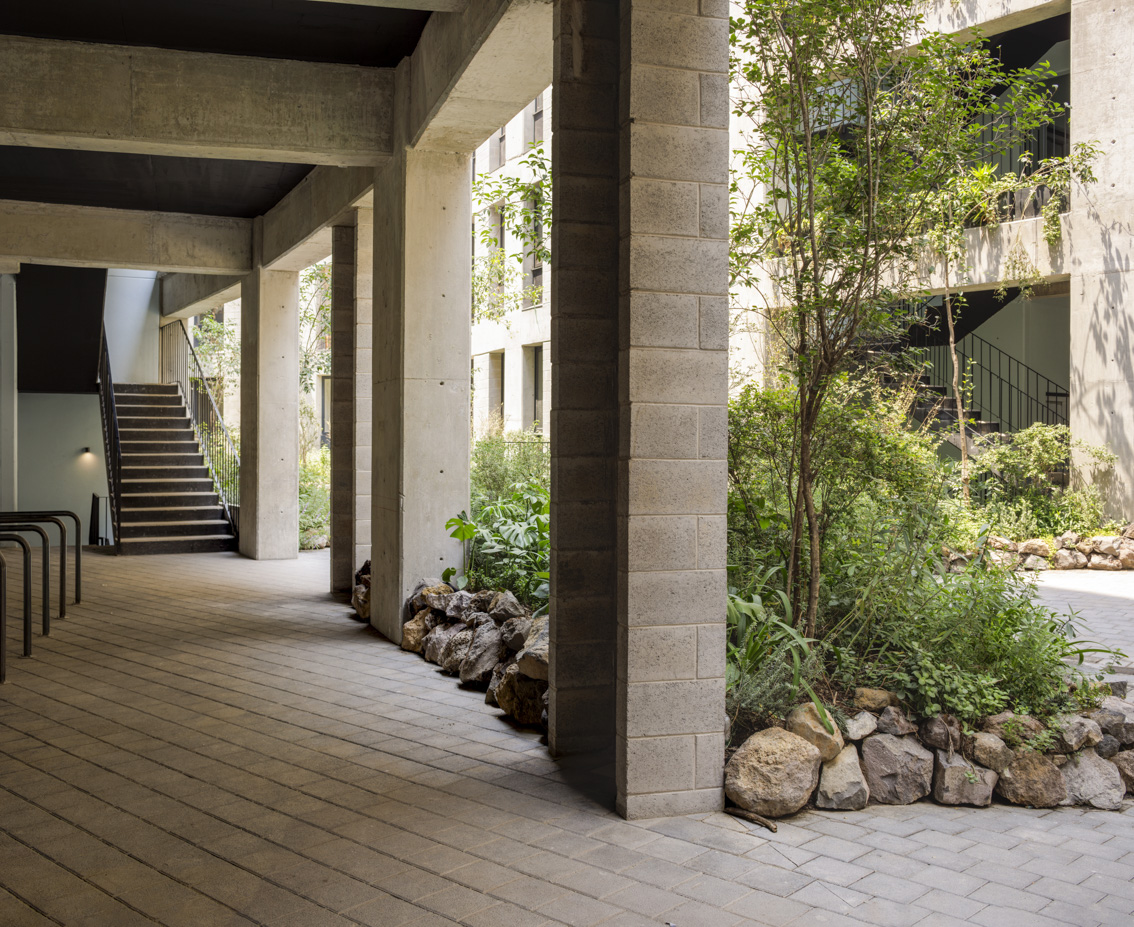
There are many examples around the world: Miguel Couto / Cité Arquitectura in Brazil, or High Line Park in New York. In Mexico we can point to rehabilitated buildings such as Havre 69 — a 19th-century housing complex in Colonia Juárez offering a multi-use space that, by combining housing with commercial spaces, extends outward and creates pedestrian life on the street.
The innovation in this project, recognized in 2015 as one of the best works by the renowned ArchDaily Mexico, was to revalue and rescue a deteriorated building of historical relevance and, by changing its use, to energize the area.
Sources:
Calleja, M. (2014). Reciclaje Arquitectónico: Definición, historia y capacidad.
Cárdenas Arroyo, E. (2008). Arquitecturas transformadas: reutilización adaptativa de edificaciones en Lisboa 1980-2002. Los antiguos conventos. Universitat Politècnica de Catalunya.
Campos López, G. (2020). Reseña de los conceptos: reciclaje, restauración y rehabilitación desde el punto de vista arquitectónico.